

Imagine flipping through a dusty old book and stumbling upon wild predictions about the future. From flying cars to robot butlers, past visionaries had some truly outlandish ideas. It’s fascinating to see how their imaginations ran wild while they tried to forecast what life would be like in the 21st century. Spoiler alert: they missed the mark on a few things!
The Fascination with Predictions
Predictions capture human imagination and reveal aspirations for the future. They reflect desires for progress, innovation, and better living standards. Many predictions, such as flying cars, sparked the imagination and generated discussions about their feasibility. Visionaries like Jules Verne and H.G. Wells envisioned extraordinary advancements that inspired generations.
Speculative forecasts often highlight societal values and fears. In the 1950s, predictions about household robots and automation appeared optimistic, projecting a future of convenience. Contrasting ideas emerged from other eras, emphasizing dystopian themes, where technology led to a loss of control.
The fascination with predictions often stems from their narrative power. They create a sense of possibility, igniting curiosity about what lies ahead. Historical predictions provide a lens to view the evolving human experience, showcasing shifts in technology and societal roles.
Some predictions became benchmarks for innovation, motivating scientists and engineers. For instance, the concept of personal computers emerged from earlier ideas about accessible technology for everyone. Predictions can motivate change, leading to real advancements that reshape daily life.
Cultural influences also shape the specifics of predictions. Films and literature often reflect societal hopes and anxieties, highlighting technological possibilities. Predictions made in the past illuminate how imagination fuels innovation and reflects the essence of human curiosity regarding the future.
Historical Context of Predictions
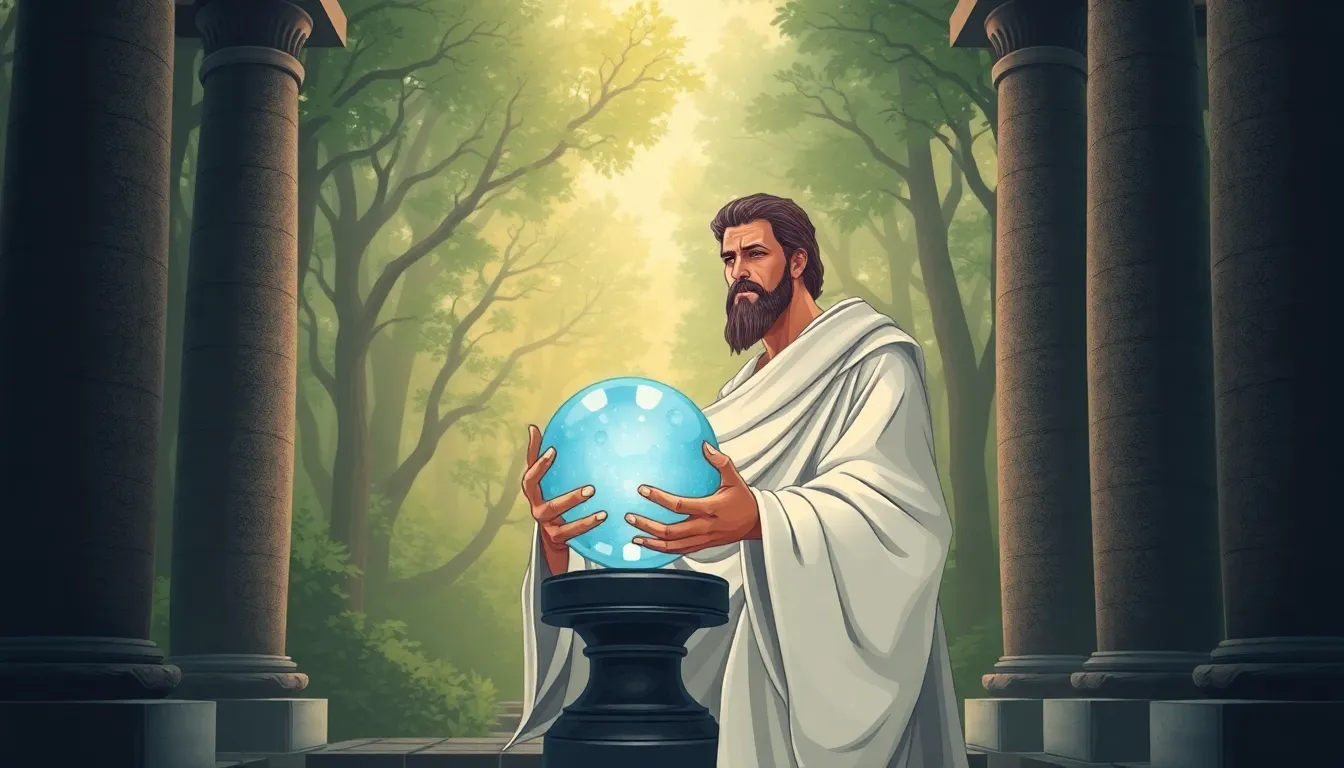
Predictions about the future have ancient roots, reflecting human curiosity and aspirations through time.
Predictions in Ancient Civilizations
Ancient civilizations, such as the Greeks and Romans, made significant predictions about the future. Oracles in Greece used divination practices to offer insights into forthcoming events. The Romans relied on augurs to interpret the will of the gods regarding public affairs. These predictions often shaped political and social decisions, demonstrating their cultural importance and influence over actions. Egyptian texts also contained prophecies concerning their civilization’s continuity and the afterlife. The connection between these predictions and societal structures highlights how past cultures sought to understand and control their futures.
The Role of Religion and Prophecy
Religion has played a crucial role in shaping predictions. Many religious texts, like the Bible and the Qur’an, contain prophecies about future events and societal transformations. Followers often view these predictions as divine guidance that offers hope or warns of impending challenges. Prophets like Daniel and Nostradamus have captured collective imaginations, inspiring movements driven by their teachings. Such religious prophecies provide context for understanding fears and hopes about the future throughout history. They reflect societal anxieties and aspirations, further illustrating the impact of spiritual beliefs on perceptions of destiny.
Notable Old Predictions of the Future
Many historical predictions offer insights into human foresight and the aspirations of their times. Visionaries like Nostradamus and Jules Verne left a lasting impact through their unique interpretations of the future.
Nostradamus and His Quatrains
Nostradamus, a 16th-century French astrologer, produced a series of prophecies known as the Quatrains. These poetic verses frequently alluded to significant world events, including wars and natural disasters. Scholars often debate the accuracy of his predictions, attributing various interpretations to their ambiguous language. Various historical events, such as the Great Fire of London and the rise of Adolf Hitler, have been linked to his writings. The allure of his predictions stems from their mysterious phrasing, capturing imaginations across centuries.
Jules Verne’s Technological Forecasts
Jules Verne, a pioneering science fiction author, made remarkable technological forecasts in his novels. Works like “Twenty Thousand Leagues Under the Sea” and “From the Earth to the Moon” envisioned innovations such as submarines and space travel long before they became reality. His detailed descriptions of advanced machinery inspired future inventors and engineers. Verne’s blending of scientific fact with imagination created a foundation for speculative fiction, igniting curiosity about the possibilities of technology. Many inventions, like the submarine, mirrored his vision, showcasing the profound influence he had on both literature and real-world innovation.
Analysis of Old Predictions
Old predictions capture the imagination and highlight aspirations for the future. They reflect ambitions and technological hopes that resonate through time.
Accuracy and Impact of Predictions
Accuracy remains a crucial aspect of analyzing old predictions. Nostradamus’ allusions in his Quatrains demonstrate both ambiguity and intrigue. Some interpretations connect his writings to pivotal historical events like World War II. Similarly, Jules Verne’s forecasts inspired actual technological advancements, bridging fiction and reality. Verne’s predictions about submarines and space travel illustrate how creativity can spark innovation. Both figures exerted substantial influence over public expectations regarding future possibilities. Their impacts shaped collective imaginations and set benchmarks for achievement. Evaluating accuracy reveals deeper insights into societal progress and the evolution of ideas over time.
Cultural Reflections in Predictions
Cultural context significantly shapes predictions. Ancient civilizations often intertwined societal values with forecasts, revealing deeper insights into collective consciousness. The Greeks and Romans utilized oracles to guide political decisions, reflecting societal priorities and anxieties. Literary works like Verne’s novels mirrored contemporary hopes for technological progress while also underscoring fears of environmental consequences. The 1950s envisioned household robots as symbols of progress, whereas dystopian themes arose in later decades, illustrating shifting societal attitudes. Cultural influences not only inspired predictions but also informed public perception of technological advancements. Each era’s unique fears and aspirations created a spectrum of predictions, highlighting the relationship between culture and innovation.
The Evolution of Future Predictions
Predictions about the future have transformed significantly over time. Early forecasts emphasized imagination and human curiosity, while contemporary projections focus on technological advancements and societal changes.
From Old Predictions to Contemporary Forecasts
Ancient civilizations relied on oracles and augurs for guidance in predicting events. Greeks and Romans often used these insights to shape political decisions and societal norms. Significant figures like Nostradamus and Daniel took these predictions further, weaving spiritual beliefs into their analyses of the future.
In contrast, modern predictions rely heavily on scientific methods and data analytics. Today’s forecasters often utilize advancements in technology, such as artificial intelligence, to estimate trends and forecast changes in various sectors. Writers like Jules Verne have laid the groundwork for understanding possibilities, merging creativity with scientific principles.
Cultural contexts have always influenced predictions, with optimism and fear shaping public sentiment. Contemporary forecasts often reflect global concerns like climate change and economic stability, capturing the collective anxieties of society.
Old predictions of the future offer a fascinating glimpse into humanity’s hopes and fears. They reflect the cultural context of their time and reveal how imagination drives innovation. While many forecasts missed the mark, they still inspired generations to think beyond the present. Figures like Jules Verne and Nostradamus not only shaped public expectations but also motivated real advancements that transformed society. As technology and societal values evolve, so too do the predictions about what lies ahead. The interplay between imagination and reality continues to fuel curiosity about the future, reminding us that every era has its unique vision of what’s possible.


